
Strategic communication is most effective when it is aligned, coordinated, and anchored on results
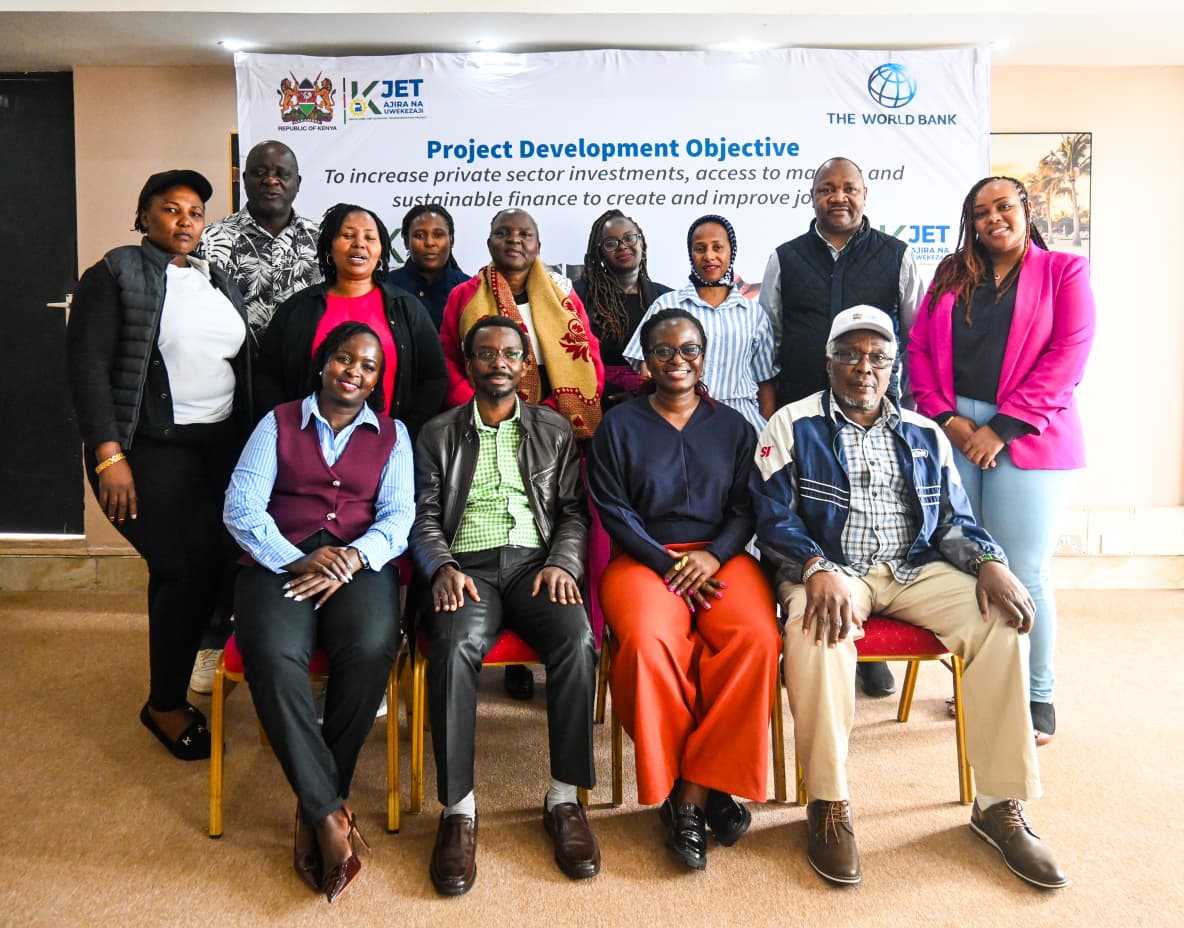
This week, the Kenya Jobs and Economic Transformation (KJET) Project convened communications teams from the Project Implementation Unit and implementing agencies in Machakos for a Communications Planning and Branding Workshop to strengthen the project's visibility, stakeholder engagement, and impact communication.
The workshop provided an opportunity to review the project's communication frameworks, align on branding standards and messaging, and deepen understanding of how communication supports project implementation. Communications specialists facilitated discussions on translating strategy into action, while implementing agencies presented component-specific communication plans to support beneficiary outreach, stakeholder engagement, and the achievement of project objectives.
Sessions led by Monitoring and Evaluation specialists enhanced participants' understanding of the KJET Results Framework and the importance of communicating progress using evidence, data, and measurable outcomes. Environmental and Social Development specialists also emphasised the role of communication in ensuring that project information is accessible and inclusive and reaches intended beneficiaries through clear pathways to participation and support.
In a speech read on his behalf by Project Director Luke Ombara, Principal Secretary for Investment Promotion Abubakar Hassan underscored the strategic role of communication in ensuring that "the right people understand, trust and participate in the project" and in making KJET "visible, understandable, credible and accessible."
As KJET continues to support MSME growth, value-chain development, investment promotion, and job creation, effective communication will remain central to connecting opportunities with people, demonstrating impact, and building lasting stakeholder confidence.